- WHAT'S ON
- Our repertoire
- Tickets
- Performances
- XXXth Bydgoszcz Opera Festival
- Bydgoszcz Opera Festival
- About
- Contact
- Search
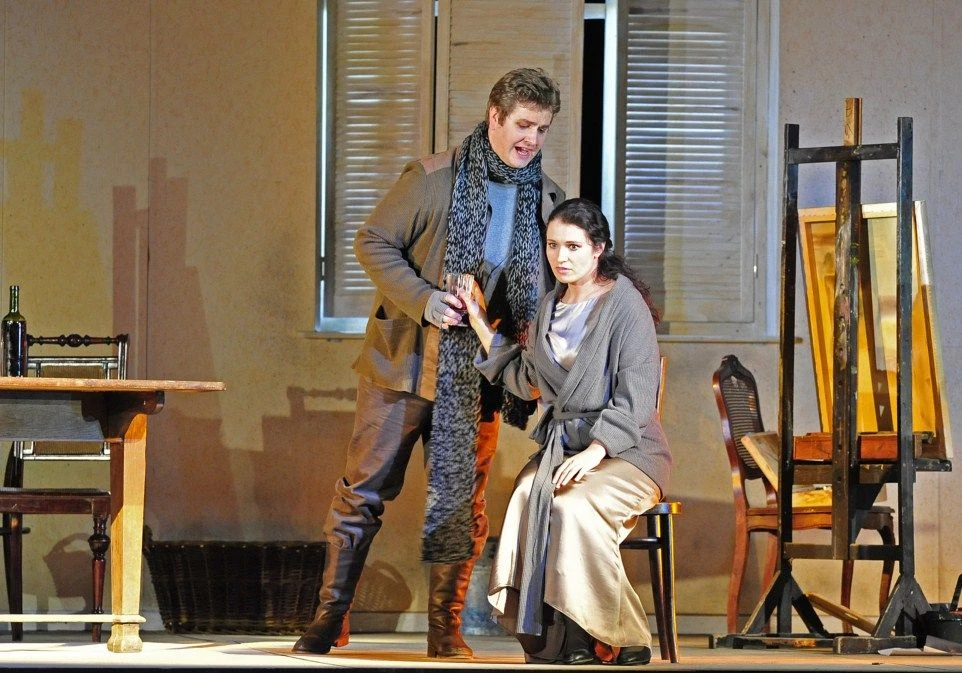
The world premiere of La bohème was in Turin on 1 February 1896 at the Teatro Regio, conducted by Arturo Toscanini. Since then, La bohème has become part of the standard Italian opera repertoire and is one of the most frequently performed operas worldwide.
Before Giacomo Puccini sat down to write La bohème, which turned out to be one of the world’s most popular operas, the same topic caught the interest of another composer who had risen out of poverty and wanted to showcase ‘real life’ in opera. Ruggero Leoncavallo, the author of the brilliant Palgliaci, began to work on his La bohème around the same time as Puccini. The two composers clashed in the press, but it was Puccini who had the final say: ‘Let him compose, and I will compose. The public will judge,’ he wrote. And that is what happened, to the disadvantage of Leoncavallo.
The story is set in Paris around 1830.
ACT I
In their Latin Quarter garret, the near-destitute artist Marcello and poet Rodolfo try to keep warm on Christmas Eve by feeding the stove with pages from Rodolfo’s latest drama. They are soon joined by their roommates—Colline, a philosopher, and Schaunard, a musician, who brings food, fuel, and funds he has collected from an eccentric nobleman.
As the others depart to revel at the Café Momus, Rodolfo remains behind to finish an article, promising to join them later. There is another knock at the door—the visitor is Mimì, a pretty neighbor, whose candle has gone out in the stairwell. As she enters the room, she suddenly feels faint. Rodolfo gives her a sip of wine, then helps her to the door and relights her candle. Mimì realizes that she lost her key when she fainted, and as the two search for it, both candles go out. Rodolfo finds the key and slips it into his pocket. In the moonlight, he takes Mimì’s hand and tells her about his dreams. She recounts her life alone in a lofty garret, embroidering flowers and waiting for the spring.
ACT II
Amid the shouts of street hawkers near the Café Momus, Rodolfo buys Mimì a bonnet and introduces her to his friends. They all sit down and order supper.
ACT III
Mimi visited Marcel and told him that Rudolf left her because of jealousy. Later, while staying in hiding, she finds out the reasons for his decision. The reason for abandoning Mimi was that he was worried about the health of the girl, whose illness was progressing in the attic mansard.
Mimi falls into Rudolf's arms. Then they part ways. There are scenes of jealousy between Marcel and Musetta.
ACT IV
Months later in the garret, Rodolfo and Marcello, now separated from their girlfriends, reflect on their loneliness. Colline and Schaunard bring a meager meal. To lighten their spirits, the four stage a dance, which turns into a mock duel.
At the height of the hilarity, Musetta bursts in with news that Mimì is outside, too weak to come upstairs. Musetta relates how Mimì begged to be taken to Rodolfo to die. Colline goes off to pawn his overcoat.
Left alone, Mimì and Rodolfo recall their meeting and their first happy days, but she is seized with violent coughing. When the others return, Musetta gives Mimì a muff to warm her hands. Mimì slowly drifts into unconsciousnes. Musetta prays for Mimì, but it is too late. The friends realize that she is dead.
Brak spektakli w najbliższej przyszłości
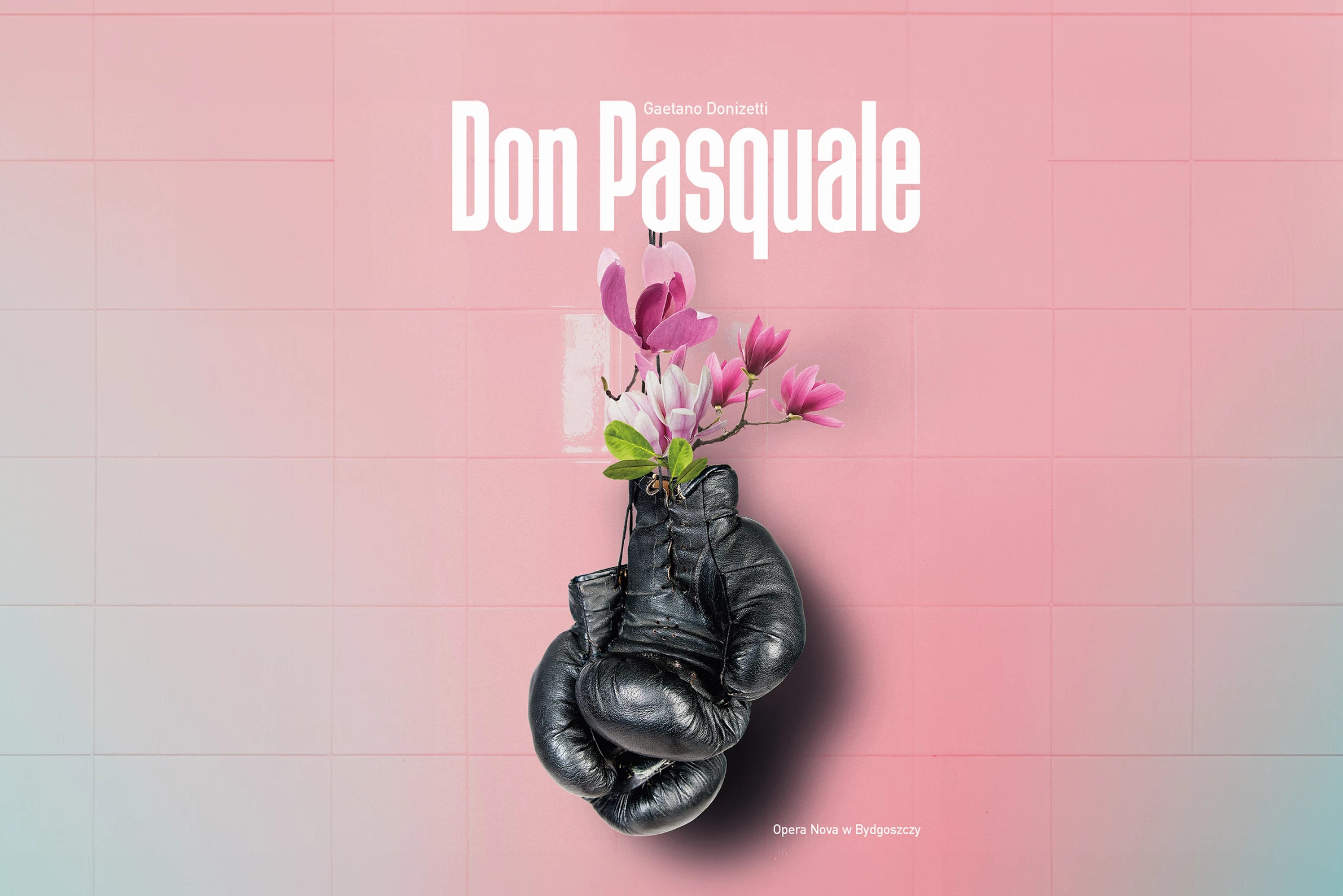
"Don Pasquale" by Gaetano Donizetti, directed by Paweł Szkotak, will open our 30th Bydgoszcz Opera Festival on April 20!
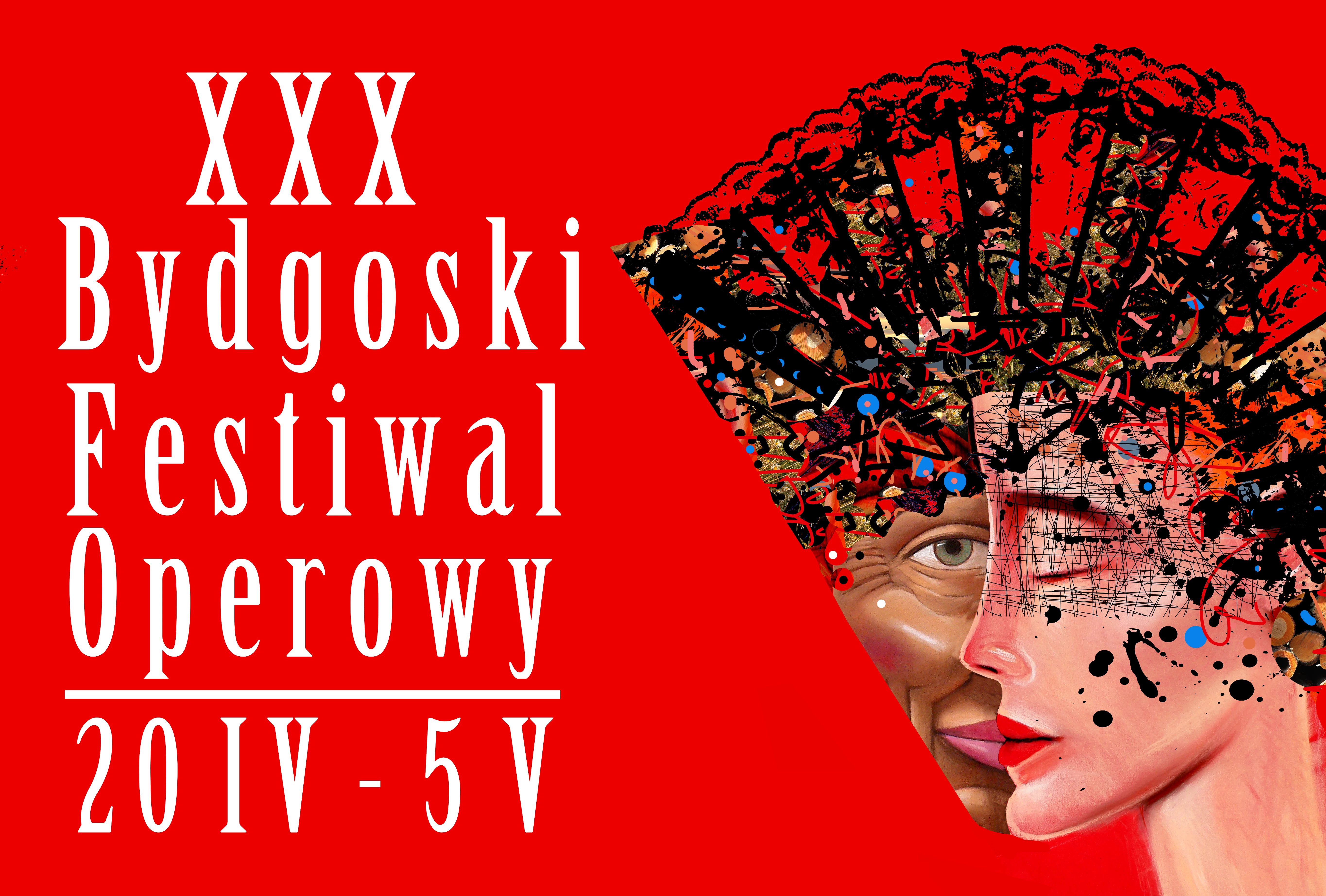
Dear Music Lovers, we are pleased to present the program of the 30th Bydgoszcz Opera Festival, to which we cordially invite you from April 20 to May 5, 2024. Please note that ticket sales for festival performances at the Opera box office and online will start on March 11 (Monday) from 8.30. During the XXX BOF we will present 7 performances, hosting teams of excellent theaters from Poland, Lithuania, Monaco, France and Ukraine. In line with many years of tradition, the Festival will op...

Works, associated with the construction of Opera Nova, will benefit our audience in the future. However, before it happens, we all have to face certain constraints.We politely remind our visitors about the difficulties linked to the liquidation of the of the car park in Karmelicka Street and traffic restrictions in this area, which also includes Brda Boulevard. If travelling by car is essential, we suggest designated parking spaces:Grudziądzka Street (15 minutes walk from the Opera House),...